Finding suitable housing for staff is a challenge for many rural businesses. Whether you employ farm workers, seasonal staff, or stable staff, local housing is often limited, expensive, or simply not practical. That’s why more businesses are looking at using static caravans on private land as a flexible and cost-effective solution.
However, before you put a static caravan on your land, there are a few important things to understand. From whether you need planning permission to how your local authority views using a static caravan as staff living accommodation, getting it right early can save time, money, and stress later on.
In this guide, we’ll cover why businesses are choosing static caravans, what you need to know before buying and installing one, and how to stay compliant and avoid costly mistakes.
If you’re looking to buy static caravans for your business to house staff, contact N. Doe Caravans today to discuss your requirements. We can arrange viewings of our current stock and help you pick the best models for your needs.
Why rural businesses are choosing static caravans
Placing a static caravan on your own land gives you far more control compared to relying on local rentals or committing to a permanent build. It also avoids the cost, time, and complexity that can come with creating a new dwelling, starting a self-build, or converting an existing building.
In practical terms, this approach offers:
- Faster setup – once permissions are in place, a caravan can be delivered and installed quickly
- Lower upfront cost – typically far more affordable than building a permanent structure
- Greater control – accommodation is on your own land, close to where staff work
- Flexibility – suitable for both temporary accommodation and longer-term staff use
- Scalability – easier to add more units as your workforce grows
- Reduced reliance on local housing – particularly useful in rural or restricted areas
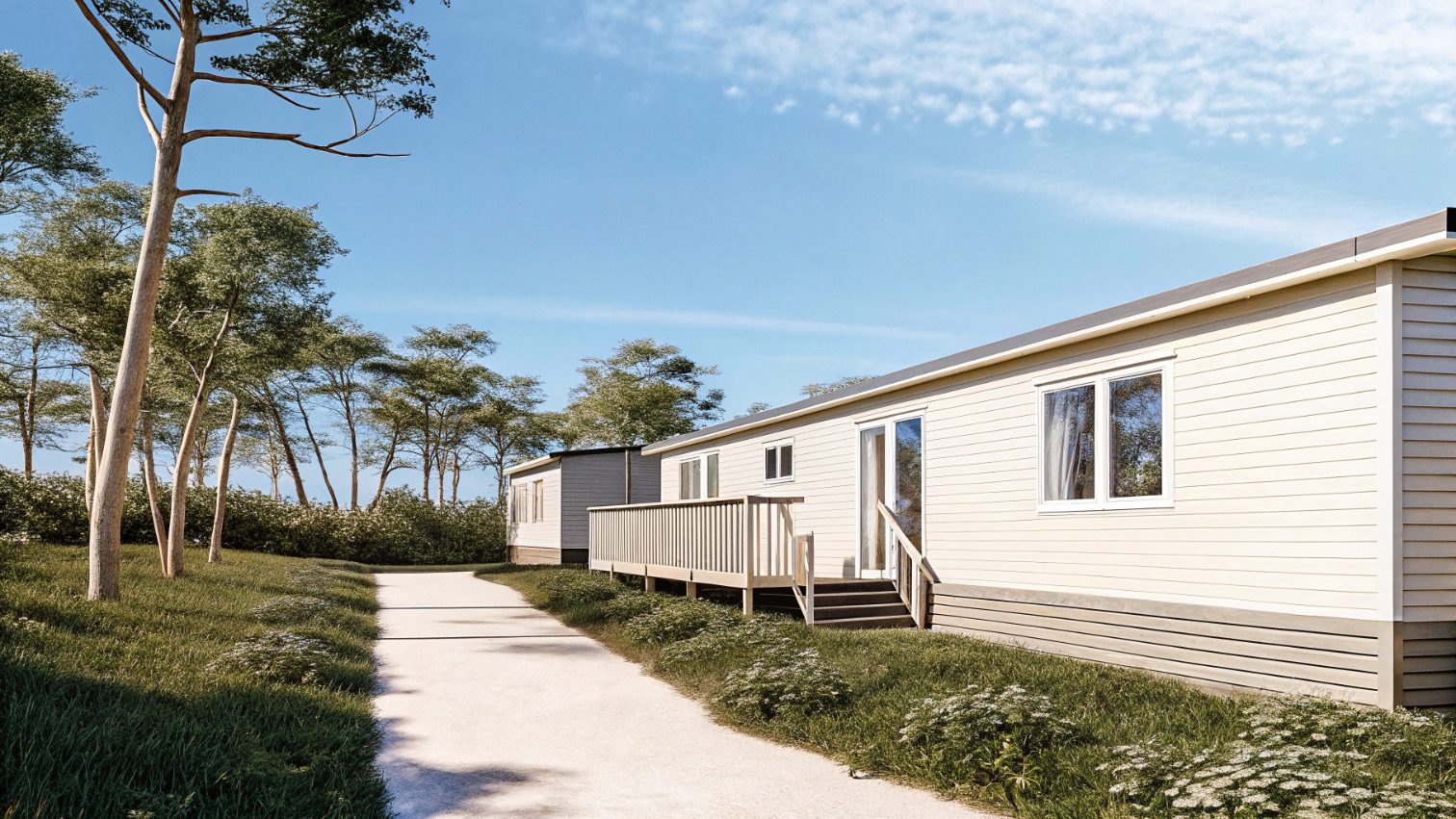
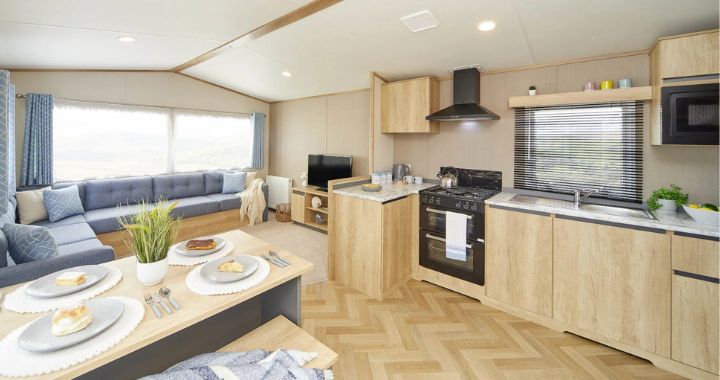
Another key reason static caravans are becoming increasingly popular is the standard of living they now provide. Modern units are designed for comfort and year-round use, often including central heating, double glazing, good insulation, and fully fitted kitchens with modern cooking facilities. This means they can provide genuine, comfortable accommodation for staff, suitable for seasonal or long-term use.
What rural businesses need to know before buying static caravans for accommodation
There are several key areas to consider before you buy. Getting these right early will help you avoid delays, unexpected costs, or enforcement action later on.
What planning permission applies to your situation
The first and most important thing to understand is whether you need planning permission. In most cases, using a static caravan on private land for staff accommodation will require planning permission, particularly if:
- It’s used for ongoing residential use (someone living in it as accommodation)
- It functions as a separate dwelling or independent accommodation
- It’s located on agricultural land, where planning rules are typically stricter
As living in a caravan counts as human habitation, it can change how the land is classified for planning purposes. You should always check with your local planning authority or local council before proceeding.
How your land type can affect permission for static caravans
Your specific situation, including the type and location of your land, will influence whether you require planning permission and how likely it is to be approved.
| Land Type / Location | What It Means in Practice |
|---|---|
| Agricultural land | A caravan on agricultural land is more likely to need planning permission, especially if used for living accommodation rather than directly supporting agricultural work |
| Conservation area | Stricter planning controls apply, particularly around visual impact and development |
| National parks / protected areas | Planning rules are tighter, and approval can be harder to obtain |
| Near an existing dwelling | May be more acceptable if the caravan is clearly linked to the main house and not a separate residence |
| Isolated private land | More likely to require a full planning application, especially if creating new living accommodation |
Before moving forward, it’s worth having an initial conversation with your local planning authority to understand how your land is likely to be assessed.
Caravan site licence and legal requirements
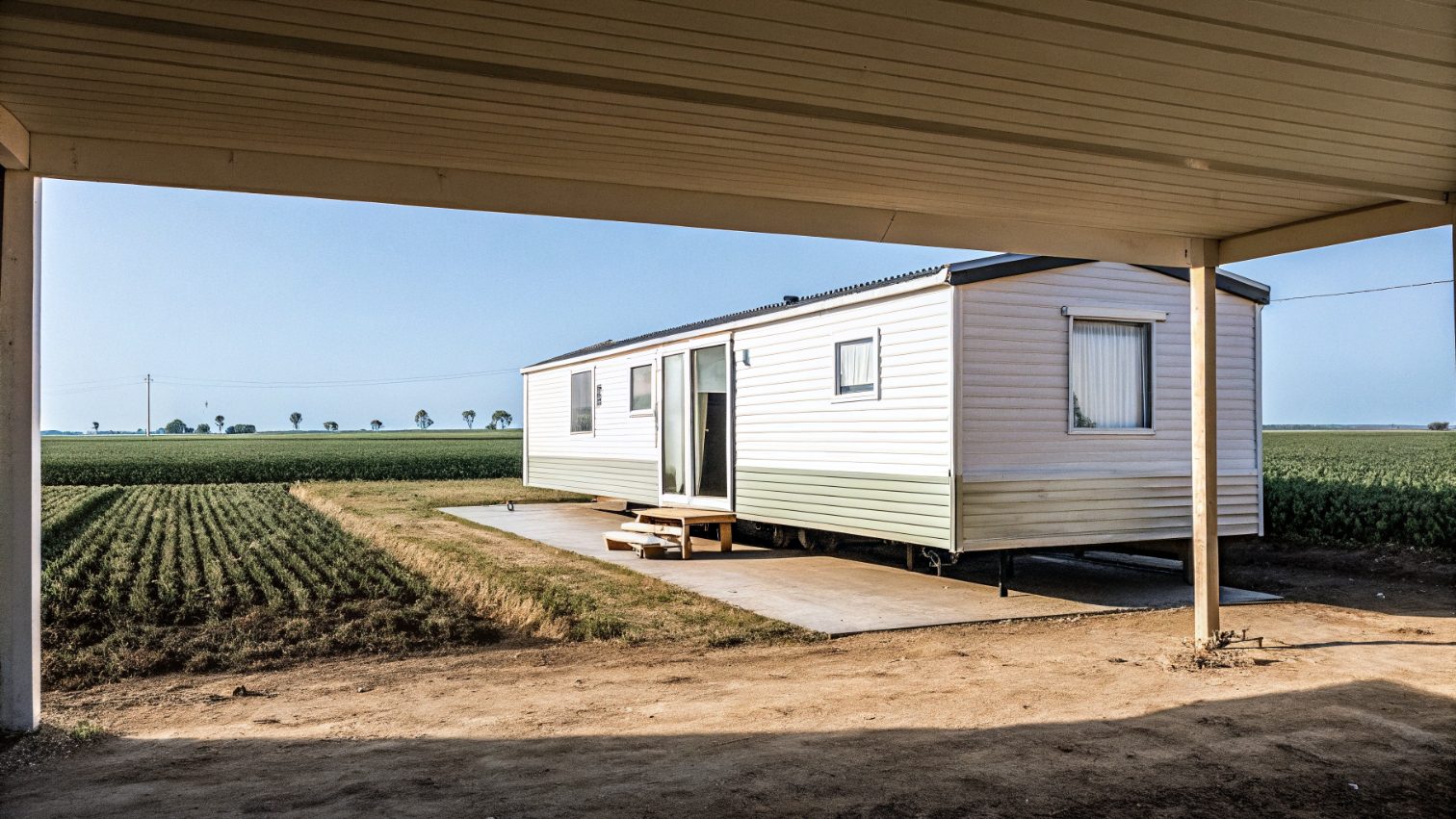
Planning permission isn’t the only thing to consider. Depending on how your land is used, you may also need a caravan site licence from your local authority, particularly if the setup is considered a caravan site or involves multiple units not clearly linked to an existing dwelling.
In the UK, caravans must meet the legal definition set out in the Caravan Sites and Control of Development Act 1960, meaning they must remain movable structures rather than permanent buildings. How the caravan is sited and used can affect how it is treated in practice.
If the correct permissions or licences are not in place, your local authority can take action. This may include issuing an enforcement notice, requiring removal of the caravan, or taking legal action.
How to prepare your land for a static caravan
Once you understand the legal side – and have taken advice from your local planning authority or a relevant professional where needed – the next step is making sure your land is ready for installation and day-to-day use.
In practical terms, this means planning for:
- Groundworks and a suitable base – a stable, level surface is essential for siting the caravan properly
- Access for delivery and siting – enough space for transport and positioning on site
- Utilities and connections – including electricity, water supply, and waste disposal (e.g. septic tank or mains drainage)
- Health and safety requirements – such as safe electrics and gas systems, fire safety measures, and suitable living conditions for staff
Taking the time to plan these elements properly helps to ensure the caravan is not only straightforward to deliver and install but also safe, practical, and ready for use.
At N. Doe Caravans, we offer static caravan transport and siting services within 100 miles of Horsham, West Sussex.
Costs to consider when installing a static caravan
Static caravans are typically an affordable accommodation option, but the purchase price is only part of the overall investment. To budget properly, it’s important to factor in the full setup and ongoing costs.
| Cost Area | What to Budget For |
|---|---|
| Purchase | New or used caravan, depending on your requirements and budget |
| Delivery & siting | Transport to site, positioning, and installation |
| Groundworks | Base preparation and any levelling required |
| Utilities | Connecting electricity, water, and waste systems |
| Ongoing costs | Maintenance, servicing, insurance, and compliance |
These costs can vary depending on your land and setup, particularly for utilities and groundworks. Understanding the costs involved early on can help you set a realistic budget, avoid unexpected expenses during installation, and make more informed decisions about the type of caravan and setup.
When planned properly, housing staff on private land using a static caravan offers excellent value, but it’s important to consider the full picture, not just the upfront price.
How to choose the right static caravan for housing staff
Modern static caravans are built for comfort and durability, making them suitable for both temporary accommodation and longer-term staff housing. The right option will depend on your specific situation, including how many people you need to accommodate and how the space will be used day to day.
When comparing models, focus on:
- Year-round use – heating, double glazing, and build quality
- Layout and space – practical living and sleeping arrangements
- Facilities – fitted kitchens, mod cons, and features for comfortable living
- Ease of maintenance – simple, hard-wearing interiors
It’s also worth considering the manufacturer and supplier. Leading brands typically offer better build quality and long-term reliability, while working with a trusted dealer ensures you get the right advice and support.
Viewing caravans in person is essential to understand layout, space, and overall condition. Speak to N. Doe Caravans for guidance on choosing the right model for your needs and budget.
Summary
Using a static caravan on private land is an increasingly practical solution for rural businesses looking to house staff. It offers flexibility, control, and a cost-effective alternative to building or relying on local housing. However, it’s important to understand what’s involved before you buy – from planning permission and land considerations to site licences, setup requirements, and ongoing costs.
Taking the time to plan helps ensure your setup is compliant, suitable for your land, and comfortable for your staff. With the right approach and by choosing a well-built caravan from a trusted supplier, you can create a reliable, long-term accommodation solution for your business.
Book static caravan viewings with N. Doe Caravans
If you’re considering housing staff on private land, seeing your options in person is the best place to start. N. Doe Caravans offers a range of static caravans to suit different requirements and budgets, whether you’re accommodating farm workers, seasonal staff, stable staff, or other rural roles.
Arrange a viewing to explore available models in person and find a solution that works for your land, your team, and your budget. Call 01403 274877, and we’ll be happy to help.
FAQs
Do I always need planning permission for a static caravan on my land?
In most cases, yes, particularly if it’s used for residential use. Always check with your local council.
Are static caravans suitable for year-round staff accommodation?
Yes, modern static caravans are designed for year-round use. Many include central heating and double glazing, making them suitable for comfortable, long-term staff accommodation when properly set up.
Is a new or used static caravan better for staff accommodation?
Both can work well, depending on your budget and requirements. New caravans offer the latest features, while used models can be more cost-effective. The key is choosing a well-maintained caravan that’s suitable for year-round use.
This guide is intended as general information – for specific advice, always check with your local authority or a qualified professional
< Back to Blog