The best time to sell a static caravan or holiday home is often between late winter and spring, when buyer and dealer interest may begin to increase. However, caravans can be sold year-round, and waiting for a busier period does not guarantee a higher price.
The right time will depend on your circumstances, the caravan’s condition and market value, its location and accessibility, and any ongoing costs such as pitch fees, insurance and maintenance. In some cases, selling sooner may leave you financially better off than waiting for seasonal demand to rise.
At N. Doe Caravans, we offer a trusted sell your static caravan service for suitable units located within 100 miles of our Horsham site. Request a free valuation and, if we agree on a price, we can arrange collection, subject to suitable access and any park removal requirements.
Call us on 01403 274877 to get started or find out more.
Does the time of year affect static caravan prices?
The static caravan market changes throughout the year. Interest often rises after Christmas as buyers plan for spring and summer. Caravan traders may also start looking for suitable stock before demand increases.
This can make late winter and spring useful times to sell your static caravan, but seasonal interest does not automatically increase the value of every unit. Buyers will still consider its age, manufacturer, layout, condition and features before deciding what they are prepared to pay.
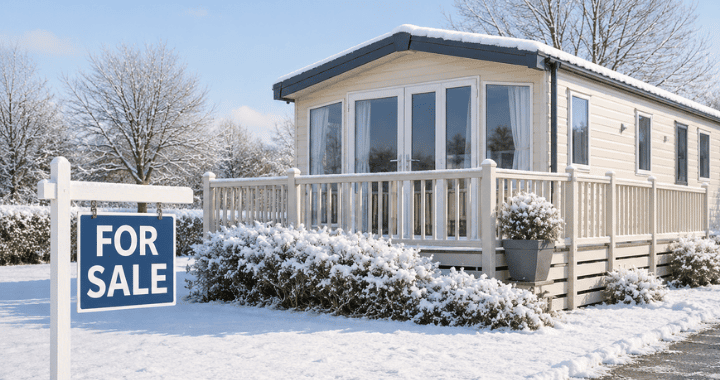
Static caravan selling trends throughout the year
While buyer interest can rise and fall at different points in the year, there is no single season when you must sell. Pre-owned static caravans can be sold year-round, and the right time will depend on your circumstances, ongoing costs, the caravan’s condition, and how easy it is to arrange collection.
The table below outlines some general seasonal patterns, although demand and selling conditions can vary considerably between caravans.
| Time of year | Typical conditions | Possible advantages | Points to consider |
|---|---|---|---|
| January to March | Buyer and dealer interest may begin to increase as plans are made for spring | You may be able to sell before another full season of ownership costs is due | Wet weather or soft ground can sometimes make access and collection more difficult |
| April to June | This can be an active period for enquiries | Longer days and better weather may help with photographs, viewings and removal | Waiting until this point could mean paying additional pitch fees, insurance or maintenance costs |
| July to August | Demand may remain healthy, although some buyers will already have made arrangements | Brighter weather can help the caravan look more appealing and make access easier | Some buyers looking for immediate summer use may already have purchased |
| September to October | Enquiries may begin to ease after the main summer period | This can suit owners who have finished using the caravan for the season | Winter preparation may be needed if the caravan does not sell straight away |
| November to December | The market can be quieter, although buyers and dealers are still active | Selling may help you avoid another year of ownership costs | Poor weather, shorter days and festive schedules may slow inspections or collection |
These are broad trends rather than guaranteed changes in demand or price. A well-maintained caravan can attract a buyer at any time of year, so the best time to sell is often when it suits your needs, and the caravan is ready and accessible.
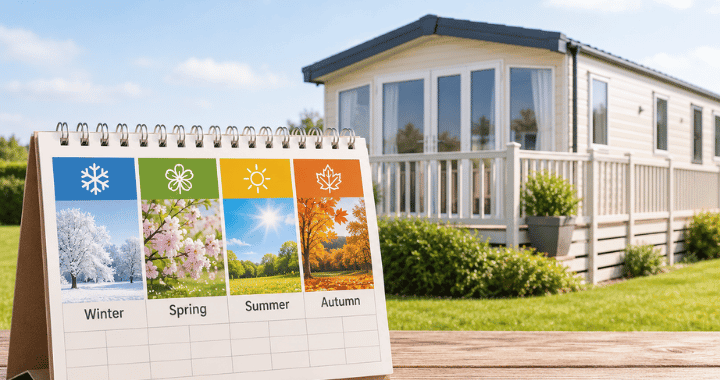
Why late winter and spring can be a good time to sell
For many caravan owners, late winter and spring offer a strong selling window. Buyers may be planning holidays, workforce accommodation, self-build projects or additional space on private land, while dealers may also be preparing their stock for the year ahead.
Requesting a valuation early shows your static caravan’s worth and lets you compare the price offered with the cost of keeping it longer.
Could waiting for spring to sell your static caravan cost you more?
Many second-hand static caravan sellers focus on achieving the best possible price, but the highest offer does not always produce the best financial result.
Keeping a holiday home for several extra months may involve:
- Pitch fees
- Insurance and utility charges
- Cleaning and maintenance
- Repairs following damp or bad weather
- Servicing or safety checks, where required
- Depreciation as the caravan becomes another year older
Before waiting, compare the potential benefits of stronger demand with the cost of retaining the caravan. Owners facing a new annual fee deadline should consider requesting an accurate valuation before paying another lump sum.
When selling outside the peak season makes sense
The best time to sell a static caravan is not always the busiest period in the market. Selling sooner may be sensible if:
- You no longer use the caravan
- Site costs are becoming difficult to justify
- The park has asked for an older model to be removed
- You are upgrading to a newer model
- The caravan may deteriorate over winter
- Access is currently suitable for collection
A fair price today may leave you better off than an uncertain offer several months later once additional costs are considered.
How pitch position and access affect timing
The pitch position can significantly affect the selling process. A static caravan cannot simply be driven away like a touring caravan. Specialist equipment and sufficient space are typically required to remove and transport it.
If the caravan must cross a field, a prolonged dry period may be the only practical time to move it. In this situation, the best time to sell may be determined by access rather than buyer demand. Limited room, narrow gateways, trees, buildings and soft ground can increase removal costs.
At N. Doe Caravans, we have a fleet of transportation trucks and many years of experience in moving static caravans. Take a look at our siting and transport services to read reviews and find out more.
What affects market value more than the season?
Although timing matters, several factors will usually have a greater effect on the caravan’s market value:
- Age, manufacturer and model
- Structural and cosmetic condition
- Signs of damp or water ingress
- Layout and number of bedrooms
- Double glazing and central heating
- Fixtures, appliances and furnishings
- Ownership documents and service records
- Pitch position and collection access
- Demand for similar models
Newer caravans often achieve a better price, but age is not the only consideration. Some older caravans remain appealing when they have been well maintained and provide a practical layout.
Selling privately, through the park or to a dealer
There are several ways to sell a static caravan, depending on its location, how quickly you want to sell and how much of the process you want to manage.
Before selling a caravan on a park, check your licence agreement or original purchase agreement. Some parks have rules covering private sales, notice periods, commission, first refusal and the removal of the caravan from its pitch.
Selling through the park owner
Selling through the park owner can be convenient because they already understand the caravan, pitch and site conditions.
However, commission, administration or disconnection fees may apply, and the park may restrict whether the caravan can remain on its existing pitch.
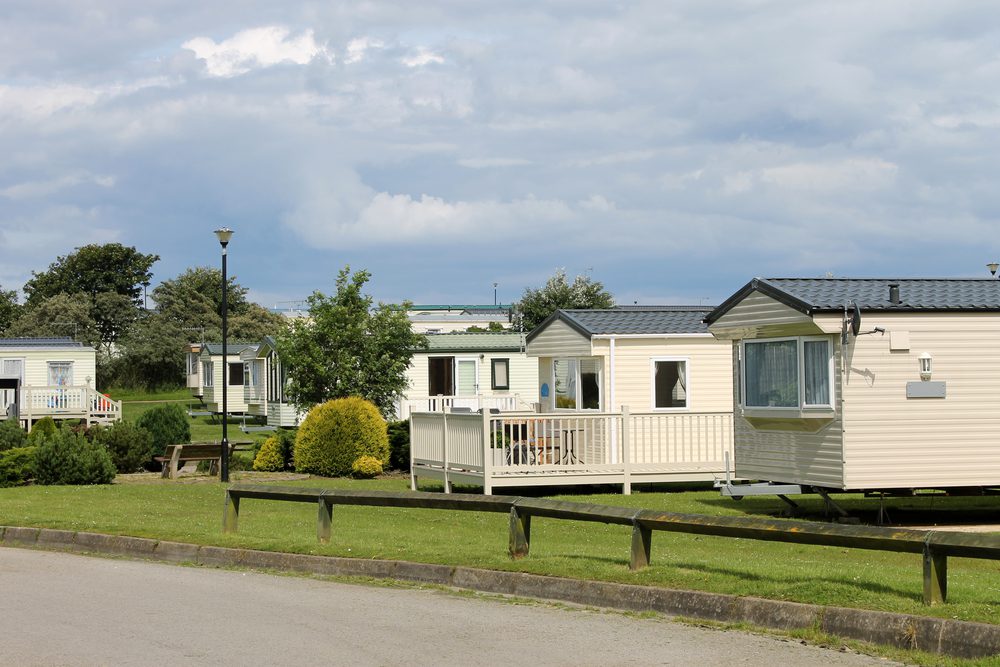
Selling your caravan privately
Selling privately gives you control over the asking price and advertising, but it requires more time.
You may need to create a listing, take high-quality photographs, answer questions, arrange viewings and negotiate the final price. Private sales can also attract time wasters, which may make the process longer and more demanding.
Selling to a caravan trader
Selling to a reputable caravan trader can provide a simpler and faster route. The dealer assesses the caravan, offers a price and may arrange collection, helping you avoid advertising, repeated viewings and prolonged negotiation.
At N. Doe Caravans, this option is available for suitable static caravans within 100 miles of Horsham, with collection arranged where access and any park requirements allow.
How to prepare for the best possible price
- Clean and declutter the caravan: Remove personal possessions and create a bright, welcoming atmosphere.
- Take high-quality photographs: Include every room, the exterior and any important features.
- Gather the relevant paperwork: Have your ownership documents, original purchase agreement, service records, electrical safety certificates and park paperwork ready.
- Check the main features: Make sure the appliances, lighting and central heating work correctly, and be honest about any faults.
- Check the access: Make sure there is sufficient space for inspection and collection, and highlight any narrow entrances, soft ground or other access restrictions.
- Have realistic expectations about value: Whether you set the asking price yourself or request a valuation, consider the caravan’s age, condition, features, location and current market demand rather than the amount originally paid.
Summary
Late winter and spring can be good times to sell a static caravan, as buyer and dealer interest may increase ahead of the warmer months. However, no single season suits every owner, and a well-maintained caravan can be sold at any time of year.
Before deciding whether to wait, consider the caravan’s condition, market value, pitch position, collection access and ongoing ownership costs. You should also check any relevant park rules if the static is on a holiday park or caravan park and decide whether selling through the park, privately or to a caravan trader best suits your circumstances.
Good preparation, clear paperwork and realistic expectations can help the selling process run more smoothly.
Sell your static caravan to N. Doe Caravans
We offer free, no-obligation valuations for suitable static caravans located within 100 miles of Horsham. If we agree on a price, we can arrange collection and make the selling process straightforward.
Call 01403 274877 or submit your caravan details to get started.
Frequently asked questions
Which month is best for selling a static caravan?
Late winter and spring can be strong selling periods, although condition, access and ongoing costs may make selling earlier more sensible.
How do I know what my static caravan is worth?
Value depends on its age, model, condition, features, location, collection access and current market demand.
Can I sell a static caravan at any time of year?
Yes. Demand can vary seasonally, but static caravans can be sold year-round when the timing suits your circumstances.